Seasons come and seasons go, but one thing stays the same.
Once you’re a few weeks deep into the semester and the weather starts becoming that mixture of needing a thick coat in the morning, shorts and chacos for midday, and a sturdy umbrella for afternoons where the temperature ends in an even number, you know it’s only a matter of time because coughs and snorty breaths start taking over your classrooms.
Many students immediately reach for their keys for a Walmart run for some NyQuil as soon as they feel that unmistakeable itch at the back of their throats. Others opt to make the drive to the ABC store instead for a handle of brandy or Popov in an attempt to burn away the cold.
But since the last flu season, the Washington and Lee Health Center has started an initiative to promote new and alternative approaches to tackling the common cold and other seasonal illnesses.
“We know that our dime bags of salt have become increasingly popular among students as a cure for strep,” said Head Nurse Olivia Thompson. “It’s become clear to us that Gen Z’ers are becoming much more receptive to alternative medicines than the usual antibiotics.”
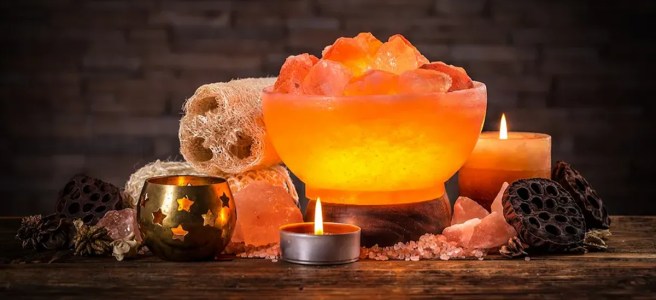
Over the past few weeks, facilities workers have been installing Himalayan salt walls in every major gathering space, including Commons and the main floor of the library. Rather than having to make the journey to the Health Center and potentially infect everyone they pass by, students are now encouraged to visit one of these public walls and take all the salt they need.
“It was an investment, for sure,” said W&L President Will Dudley. “But it looks really cool and will save us a lot of money in the long run.”
Dudley also revealed that he would be installing his own salt wall along the Colonnade-facing side “for the critters that live around campus,” because maintaining the health of the natural environment “is just as, if not more important, than maintaining the health of our students.”
Some students aren’t so sure about the salt. Lauren Sebrosky, ’25, said she’s already seen students pressing their hands–and sometimes their tongues– against the surfaces of the walls.
To that, Head Nurse Thompson says there are still many other medicinal alternatives, including groundhog yoga and making offerings to Traveller’s grave, in the works if the salt isn’t everybody’s cup of tea.
“We’ve also been working with the Virginia Military Institute on a new form of sound therapy,” she admitted. “We’ve commissioned their team to fire 100 cannons sporadically throughout every day starting when we get back from Feb break.”
She said the adrenaline rush the blasts would cause would be good for the students, keeping their blood flowing and their mental acuity sharp, which Thompson said can be hard to do when you’re feeling ill.
“We just want the best for our students,” she said.
 The Radish